How Long Does an Asphalt Parking Lot Last?
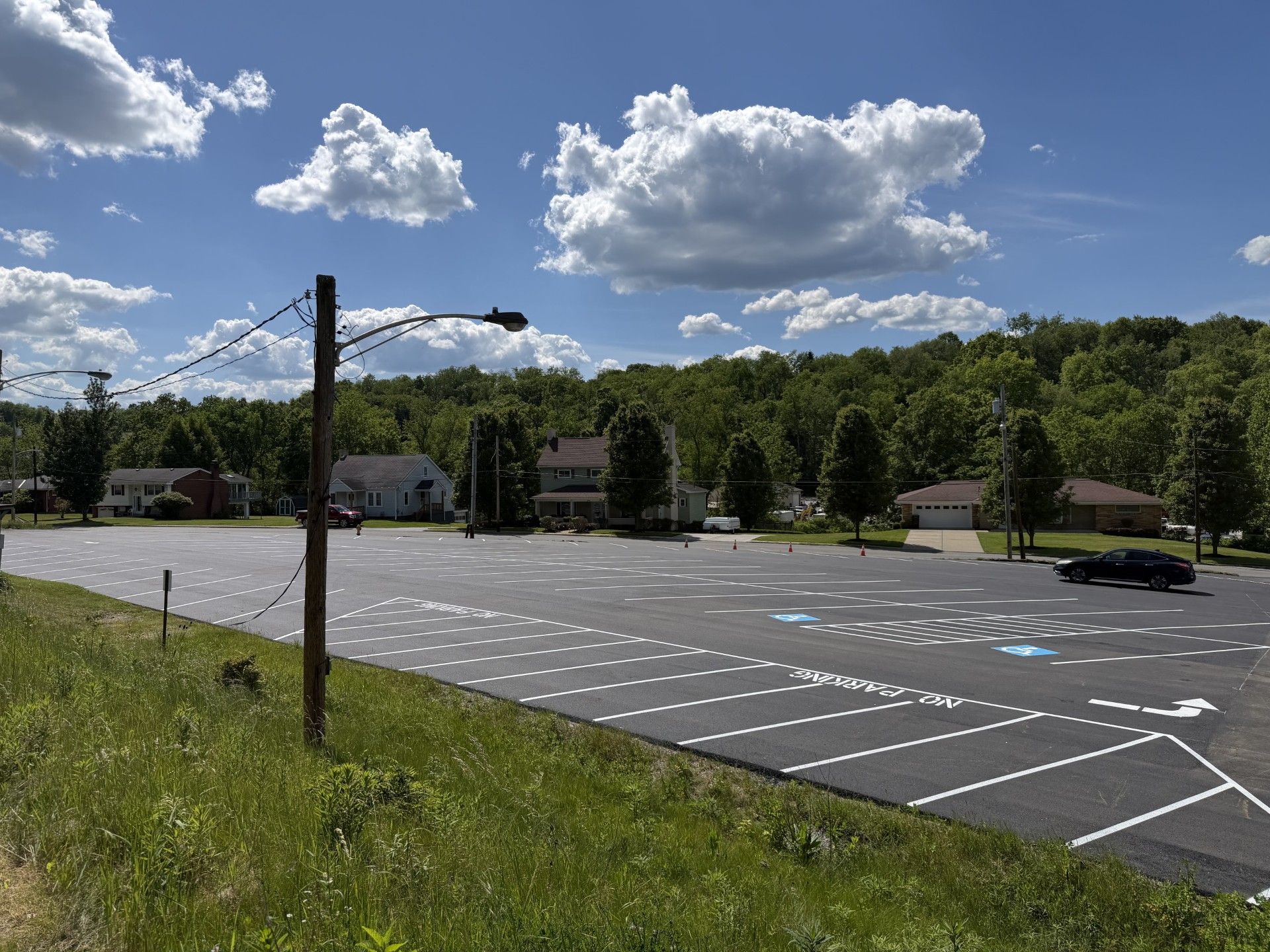
For most commercial properties, the parking lot is one of the first things visitors notice. A well-maintained asphalt parking lot provides a smooth driving surface, improves curb appeal, and helps create a safe environment for customers and employees. But like any surface exposed to heavy traffic and weather, asphalt doesn’t last forever.
Property owners and facility managers often ask the same question:
How long does an asphalt parking lot last? The answer depends on several factors, including installation quality, traffic volume, climate conditions, and ongoing maintenance. In general, a properly installed and maintained asphalt parking lot can last
15 to 25 years before it requires major resurfacing or replacement.
Understanding what affects the lifespan of asphalt pavement can help property owners plan maintenance, avoid costly repairs, and get the most value out of their investment.
Average Lifespan of a Commercial Asphalt Parking Lot
Under typical conditions, a commercial asphalt parking lot will last
15–25 years. However, this estimate assumes the lot was installed correctly and receives regular maintenance over time.
The lifespan of asphalt pavement is influenced by several key factors:
1. Quality of Installation
A parking lot’s lifespan starts with proper construction. This includes site preparation, grading, base installation, and proper asphalt compaction. If the base layer is poorly constructed or drainage is not properly addressed, the pavement may begin to crack or deteriorate much sooner than expected.
A well-installed asphalt lot built on a strong base can handle heavy traffic and environmental stress much more effectively.
2. Traffic Load
The amount and type of traffic a parking lot receives plays a major role in its longevity. Lots serving office buildings or retail stores may experience mostly passenger vehicles, which cause less wear over time.
However, commercial properties such as warehouses, trucking facilities, or shopping centers often see frequent heavy truck traffic. The additional weight from delivery vehicles and large trucks can accelerate pavement deterioration if the lot was not designed to handle those loads.
3. Climate and Weather Conditions
Weather is another major factor in asphalt lifespan. In regions with cold winters, freeze-thaw cycles can cause water trapped in cracks to expand and weaken the pavement structure. In warmer climates, intense heat and UV exposure can cause asphalt to dry out and become brittle.
Proper maintenance helps minimize these effects and protect the pavement surface.
The Importance of Regular Asphalt Maintenance
One of the biggest factors that determines how long an asphalt parking lot lasts is
ongoing maintenance. Without proper care, even a well-built parking lot can begin to fail within a decade. With routine maintenance, however, property owners can significantly extend the life of their pavement.
Here are the most important maintenance practices that protect asphalt parking lots:
Sealcoating
Sealcoating is one of the most effective ways to extend the life of asphalt pavement. This protective layer helps shield the asphalt from UV rays, water penetration, oil spills, and oxidation.
Most commercial parking lots should be sealcoated every 2–3 years, depending on traffic levels and environmental conditions.
Crack Filling
Small cracks may not seem like a major concern at first, but they allow water to penetrate the pavement and weaken the base layers underneath. Over time, this can lead to potholes and structural damage.
Routine crack sealing prevents minor issues from turning into costly repairs.
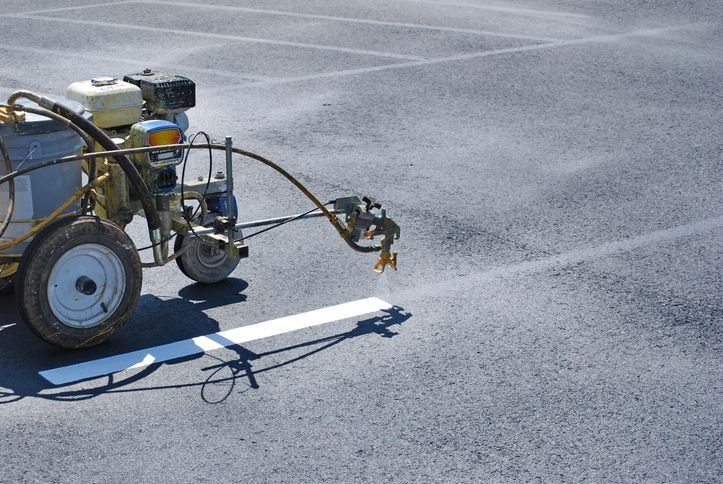
Parking Lot Striping
While striping is primarily done for traffic flow and safety, it is often performed after sealcoating and helps maintain a professional appearance. Clear markings also ensure compliance with ADA regulations and improve parking efficiency.
Routine Inspections
Regular inspections allow property owners to catch problems early. Identifying small cracks, drainage issues, or minor surface damage before they worsen can dramatically reduce long-term repair costs.
Signs Your Asphalt Parking Lot May Need Repair or Replacement
Even with proper maintenance, asphalt will eventually show signs of aging. Knowing what to look for can help determine whether a parking
lot needs repairs, resurfacing, or full replacement.
Common warning signs include:
Alligator Cracking
This pattern of interconnected cracks resembles reptile skin and often indicates structural failure in the pavement base.
Potholes
Potholes form when water enters cracks and weakens the pavement beneath the surface. They create safety hazards and should be repaired quickly.
Faded Surface Color
Over time, asphalt can fade from deep black to gray due to UV exposure and oxidation. While this may be mostly cosmetic at first, it can signal that the pavement is becoming dry and brittle.
Drainage Issues
Standing water after rainstorms can accelerate pavement deterioration and lead to structural damage if not addressed.
If these issues are widespread across the parking lot, resurfacing or reconstruction may be necessary.
Resurfacing vs. Replacement
When asphalt begins to deteriorate, property owners often wonder whether resurfacing or full replacement is the better option.
Resurfacing (also called an overlay) involves installing a new layer of asphalt over the existing pavement. This option is usually more cost-effective and works well when the base structure is still in good condition.
Full replacement, on the other hand, involves removing the existing pavement and rebuilding the base layers. This is necessary when structural issues such as severe cracking or base failure are present.
A professional paving contractor can evaluate the condition of the pavement and recommend the best solution.
How to Extend the Life of Your Asphalt Parking Lot
If you want your asphalt parking lot to last closer to the
25-year range rather than 15, proactive maintenance is key.
Property owners can extend pavement life by:
- Scheduling sealcoating every few years
- Filling cracks as soon as they appear
- Maintaining proper drainage around the lot
- Repairing potholes promptly
- Scheduling periodic professional inspections
Taking a preventative approach is almost always more affordable than waiting until major repairs are required.
Protecting Your Investment
A commercial asphalt parking lot represents a significant investment for any property owner or facility manager. While the typical lifespan ranges between
15 and 25 years, the actual longevity depends heavily on installation quality, traffic conditions, weather exposure, and ongoing maintenance.
By working with experienced paving professionals and following a consistent maintenance schedule, property owners can maximize the life of their pavement and avoid costly premature replacement.
A well-maintained parking lot not only lasts longer but also improves safety, enhances property appearance, and provides a better experience for customers, tenants, and employees.
Author: Hilltop Paving
Hilltop Paving has proudly served homeowners, businesses, and municipalities throughout Western Pennsylvania for over 43 years. With decades of experience in asphalt paving, sealcoating, milling, repairs, concrete work, and parking lot maintenance, our team is committed to delivering quality craftsmanship, dependable service, and lasting results on every project.