What to Expect During a Commercial Asphalt Paving Project
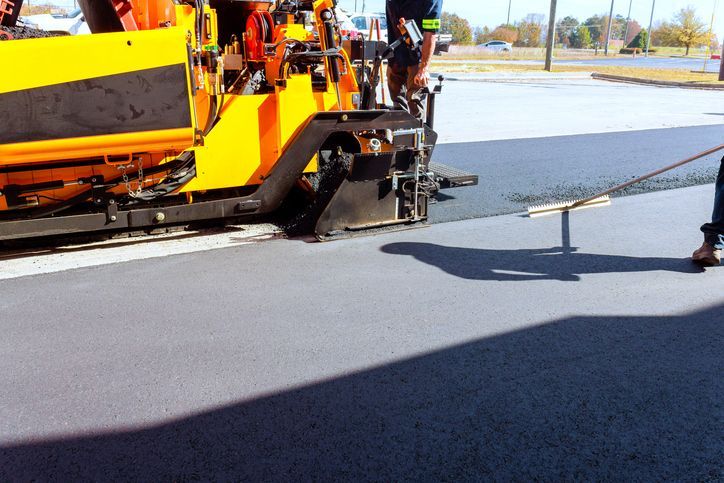
Commercial asphalt paving is a multi-step process that typically includes site grading, base installation, asphalt installation, compaction, and final striping. Each stage prepares the property for the next, helping create a finished paved surface that is properly supported, graded, compacted, and organized for its intended use.
For commercial property owners and managers, understanding these steps can make it easier to review a paving proposal, prepare for construction, and understand what is happening on the property throughout the project.
What Are the Main Steps in Commercial Asphalt Paving?
A commercial paving project generally moves through five key stages:
- Site grading: Preparing the area and establishing the required elevations and slopes.
- Base installation: Building a stable supporting layer beneath the asphalt.
- Asphalt installation: Placing the asphalt mixture across the prepared surface.
- Compaction: Using rollers to increase asphalt density and create a consistent surface.
- Striping: Applying parking, traffic, pedestrian, and other pavement markings where required.
The exact scope of work can vary based on the property, existing pavement conditions, drainage needs, traffic patterns, and project specifications.
1. What Happens During Site Grading?
Site grading prepares the paving area before installing the asphalt and supporting base.
During this stage, the site is shaped to establish the elevations and slopes required for the project. Drainage is an important part of this process because water needs to move toward appropriate drainage areas instead of collecting on the pavement or around nearby structures.
Existing site conditions can influence how much preparation is necessary. Depending on the property, the work may include excavation, removing unsuitable material, adjusting elevations, or preparing areas around existing drainage features.
Proper grading gives the rest of the paving system a correctly prepared surface to build on.
2. Why Is Base Installation Important?
The base is the supporting layer installed beneath the asphalt surface.
After grading, crews place and compact base material to create a firm, consistent foundation for the pavement above. The specific base requirements can vary based on site conditions, expected vehicle traffic, existing materials, and project specifications.
Commercial properties can experience different types of traffic, from passenger vehicles in parking areas to heavier vehicles in access or loading areas. The supporting pavement structure needs to be planned around the conditions of the individual property.
Although the base is not visible once the paving project is finished, it is an important part of the overall pavement system.
3. How Is Asphalt Installed on a Commercial Property?
Once the site and base are prepared, crews can begin installing asphalt.
The asphalt mixture is placed across the prepared area using paving equipment and shaped according to the planned grade and layout. The installation must also account for edges, entrances, adjoining pavement, drainage points, and other property features.
The exact paving approach depends on the project scope. Parking lots, access roads, loading areas, and other commercial surfaces may have different requirements based on their use.
The goal of this stage is to create a consistent asphalt layer that follows the planned elevations and is ready for compaction.
4. Why Does New Asphalt Need to Be Compacted?
Compaction increases the density of newly installed asphalt and reduces excess air within the pavement mixture.
After the asphalt is placed, rollers pass over the surface while the material is still workable. This process helps create a dense, consistent paved surface.
Compaction is not identical on every project. Equipment, timing, environmental conditions, asphalt mixture, and project specifications can all affect how the work is performed.
For property owners and managers, the key point is that asphalt installation doesn't end when the material is placed. Compaction is a separate and necessary part of completing the paved surface.
5. When Is Parking Lot Striping Completed?
For commercial parking lots and other marked paved areas, striping is typically one of the final project stages.
Once the new asphalt is ready for pavement markings, the approved layout can be applied. Depending on the property, markings may include:
- parking stalls
- directional arrows
- traffic lanes
- pedestrian areas
- accessible parking spaces
- loading areas
- other designated pavement markings
Striping helps define how drivers and pedestrians are expected to move through and use the property. The layout should reflect the site's needs and any applicable requirements.
How Do These Commercial Paving Steps Work Together?
The five stages of commercial asphalt paving are connected.
Site grading establishes the shape and drainage characteristics of the paving area. Base installation provides support underneath the pavement. Asphalt installation creates the new driving or parking surface. Compaction increases the density of the installed asphalt. Striping organizes the completed paved area for its intended use.
Because each stage affects the work that follows, evaluate commercial paving as a complete process, not just the asphalt surface visible when the job is finished.
That is also why the scope of a commercial paving proposal matters. Property owners and managers should understand which preparation, grading, base work, paving, compaction, drainage, and finishing work are included.
What Should Property Managers Look for in a Commercial Paving Proposal?
When reviewing a commercial paving project, look beyond the final asphalt surface. The proposal should clearly state what work will be performed before, during, and after asphalt installation.
Important areas to understand include:
- how the site will be prepared and graded
- whether base installation or repair is included
- how drainage conditions will be addressed
- what asphalt work is included
- how compaction will be completed
- whether parking lot striping is part of the project scope
Exact requirements vary by property. A site-specific evaluation can help determine which steps are necessary for the planned paving work.
Plan Your Commercial Asphalt Paving Project With Hilltop Paving
Commercial paving involves several connected stages, from site preparation to completing the final pavement markings.
Hilltop Paving provides commercial asphalt paving and related services for properties in the Greater Pittsburgh area. If you are planning a commercial paving project, contact Hilltop Paving to discuss the property, existing conditions, and the scope of work needed for your site.
Author: Hilltop Paving
Hilltop Paving has proudly served homeowners, businesses, and municipalities throughout Western Pennsylvania for over 43 years. With decades of experience in asphalt paving, sealcoating, milling, repairs, concrete work, and parking lot maintenance, our team is committed to delivering quality craftsmanship, dependable service, and lasting results on every project.