MENUMENU
- Quick Response & Flexible Service Days



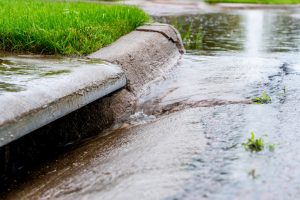
When maintaining your pavement, drainage is key to keeping the surface durable and reliable. Without a proper system to direct water away, even the highest-quality pavement can deteriorate more quickly than expected. Over time, poor drainage not only affects the appearance of your surface but also impacts safety, longevity, and maintenance costs.
This article explains why drainage is essential, how it protects your investment, and provides practical strategies for ensuring your pavement remains strong for years to come.
Pavement is designed to support heavy loads, withstand the elements, and provide a safe, smooth surface. However, water is one of its biggest threats. When rainwater, snowmelt, or groundwater collects on or beneath pavement, the results can be damaging:
Surface wear and cracking: Standing water weakens the surface layer, leading to potholes, cracks, and raveling.
Freeze-thaw cycles: In colder climates, trapped water freezes, expands, and causes cracks to widen.
Subbase weakening: Water infiltrating the layers beneath the pavement softens the foundation, reducing load-bearing capacity.
By removing or diverting water, drainage systems reduce these risks and extend the pavement’s service life.
For property owners and managers, the connection between drainage and budget is straightforward: poor drainage leads to costly repairs.
Frequent maintenance: Cracks, potholes, and uneven surfaces require ongoing patching and resurfacing.
Premature replacement: Pavement that should last 20 years may need full reconstruction after just 10 without proper water control.
Liability concerns: Standing water poses hazards to both vehicles and pedestrians, increasing the chance of accidents and potential insurance claims.
Investing in drainage design during construction or correcting drainage issues early often costs less than dealing with the accelerated damage that results from ignoring the problem.
Identifying potential drainage issues is the first step toward prevention. Some of the most common problems include:
Poor slope or grading: Pavement that is flat or slopes toward buildings traps water rather than directing it away from the buildings.
Clogged drains or inlets: Even well-designed drainage features can fail if not maintained.
Insufficient capacity: Older systems may not handle today’s heavier rainfall events.
Soil conditions: Clay soils hold water and slow drainage, increasing the risk of subbase damage.
Recognizing these problems early enables cost-effective interventions before they escalate into larger failures.
A well-planned drainage system offers several benefits for both your pavement’s performance and your budget control.
1. Prevents Structural Damage
By channeling water away from the surface and base, drainage preserves the strength of the pavement layers. A solid foundation resists heavy traffic loads and environmental stress, keeping the surface intact for a longer period.
2. Extends Service Life
Every pavement has an expected lifespan. Proper drainage ensures the pavement reaches, or even slightly exceeds, its intended life by minimizing water-related deterioration.
3. Reduces Repair Costs
When drainage prevents premature cracking and pothole formation, maintenance needs are less frequent and less extensive. Property owners spend less over the long term.
4. Improves Safety
Standing water creates hydroplaning risks for vehicles and slip hazards for pedestrians. Adequate drainage helps keep surfaces dry and safe for everyone.
5. Supports Aesthetics and Curb Appeal
Pavement that resists cracking, staining, and surface erosion looks better over time, which is vital for commercial properties and public spaces.
The proper drainage solution depends on the type of pavement, the surrounding environment, and the expected traffic loads. Common strategies include:
Proper grading: Designing pavement with a slight slope (usually 1–2%) ensures water flows toward designated outlets rather than pooling.
Curb and gutter systems: Direct runoff from roadways and parking lots into storm drains.
Drainage layers: Coarse aggregates beneath the pavement help water flow away from the subbase.
Perforated pipes: Installed along pavement edges to collect and redirect groundwater.
Catch basins and inlets: Collect surface water and channel it to underground stormwater systems.
French drains: Gravel-filled trenches with pipes that move water away from problem areas.
Permeable pavement options allow water to infiltrate through the surface, reducing runoff in certain applications.
Even the best-designed system won’t perform well without maintenance. Property owners and managers should regularly:
Proactive maintenance extends both the life of the pavement and the effectiveness of the drainage system.
Some owners may hesitate at the upfront cost of designing and installing comprehensive drainage systems. However, the long-term value is clear. A pavement project that includes proper drainage will last longer, perform better, and need fewer costly interventions.
For example, resurfacing your parking lot every 10 years due to poor drainage can double the lifetime cost compared to resurfacing every 20 years with effective water management. The investment in drainage often pays for itself several times over in avoided repairs and extended lifespan.
Addressing drainage requires experience and technical knowledge. A qualified paving contractor can:
Partnering with a contractor who understands both pavement and drainage ensures your investment is protected from the start.
Drainage may not be the most visible part of a paving project, but it plays a critical role in performance and cost control. Proper drainage prevents structural damage, extends service life, reduces repair needs, improves safety, and preserves aesthetics.
For property owners, this translates directly into budget protection. By addressing drainage at the design and maintenance stages, you can avoid unnecessary expenses and keep your pavement strong and functional for years to come.
At Hilltop Paving, we understand that durable pavement begins with smart water management. If you’re planning a new project or experiencing drainage issues with your existing surfaces, our team can provide expert solutions tailored to your parking lot needs.