MENUMENU
- Quick Response & Flexible Service Days



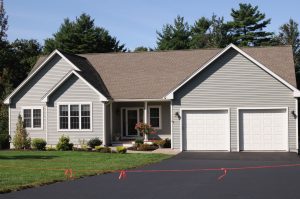
Choosing the right driveway material is a decision that affects your home’s appearance, long-term maintenance needs, and overall investment. Asphalt and concrete are the two most widely used driveway materials due to their reliable performance and value. Still, they differ in important ways, and understanding those differences can help you select the best option for your property.
This guide compares asphalt and concrete in terms of cost, durability, maintenance, climate performance, and aesthetics. Whether you’re replacing an older driveway or planning a new installation, these insights will help you make an informed choice for your home.
While both materials create strong driveway surfaces, their composition and installation processes differ.
Asphalt
Asphalt is made from stone aggregates mixed with a petroleum-based binder. The mixture is heated, spread, and compacted to create a smooth, flexible surface. Once installed, asphalt cools and hardens quickly, allowing homeowners to benefit from a shorter wait time before using the driveway.
Concrete
Concrete is created using cement, water, sand, and gravel. After it is poured, it needs time to cure — a process that can take several days to complete. Concrete becomes fully rigid once it cures, forming a long-lasting surface that can support vehicles and withstand heavy use.
The differences in composition help explain why asphalt and concrete perform differently over time, particularly in response to temperature, moisture, and traffic load.
Cost is often one of the first considerations homeowners evaluate.
Asphalt Cost Overview
Asphalt usually has a lower upfront price, making it an appealing option when managing a budget. Because the installation process is relatively quick and uses materials that are less expensive than concrete, asphalt can offer cost savings without sacrificing reliability.
Concrete Cost Overview
Concrete driveways usually come with a higher initial price due to the labor involved, longer curing time, and material cost. However, its long service life and lower frequency of repairs can make concrete a cost-effective choice over time.
Long-Term Financial Perspective
When thinking beyond the installation, the cost picture becomes more balanced. Asphalt may require more frequent maintenance, which adds to its lifetime cost, while concrete’s durability may help offset its initial price.
The best value ultimately depends on the homeowner’s priorities, budget, and expectations for upkeep.
Durability and Expected Lifespan
Durability is a vital factor in determining which material will best serve your household’s needs.
Concrete Longevity
Concrete is known for its long lifespan. When installed and maintained correctly, it can remain functional for several decades. Its rigid structure makes it resistant to various types of wear, allowing it to handle everyday vehicle use with minimal issues.
Asphalt Longevity
Asphalt may not last as long as concrete, but it still performs reliably when properly installed and maintained. Because it is a more flexible material, it can adapt better to slight ground movement or shifting soils. Over time, regular sealing and prompt crack repairs help extend the life of an asphalt driveway.
Both materials can last longer when:
Selecting a skilled, professional installer plays a significant role in how long either surface will perform satisfactorily.
Every driveway needs care, but the amount of required maintenance differs.
Asphalt Maintenance
Asphalt driveways typically need more routine maintenance. Sealcoating should be performed regularly to protect the surface from weather exposure and to slow down the wear process. Small cracks may develop over time, but they are generally easy to repair using commonly available patching materials.
Many homeowners appreciate that asphalt repairs can be made quickly and affordably.
Concrete Maintenance
Concrete requires less frequent attention. While some homeowners choose to seal concrete to help preserve its color or reduce staining, it is not as often required as asphalt sealing. When repairs are needed — such as addressing cracks or scaling — they may be more involved. Matching concrete patches to the original surface can also be challenging due to natural color changes as the concrete ages.
Weighing the Maintenance Commitment
If you prefer a low-maintenance material and have the budget to make a higher initial investment, concrete may be a suitable option for your driveway. If you’re comfortable with occasional maintenance and prefer easier repairs, asphalt may be a more suitable option.
Your region’s weather patterns significantly influence how each material behaves over time.
Asphalt in Cold and Warm Conditions
Asphalt’s flexibility helps it perform well in colder climates. Freeze–thaw cycles, which are typical in Pittsburgh, cause the ground to expand and contract, and asphalt can absorb some of that movement. Asphalt also warms quickly in the sun, helping snow and ice melt more efficiently.
However, in very hot climates, asphalt may soften slightly, especially during periods of extreme heat. This is usually temporary, but it is worth considering if you live in a region with prolonged high temperatures.
Concrete handles heat well and does not soften in warm weather. In areas with heavy sun exposure, concrete may stay lighter and more reflective, which is preferred by some homeowners.
On the other hand, concrete can be more sensitive to freeze–thaw cycles. If water enters small cracks or pores and freezes, the resulting expansion can cause surface deterioration over time. Proper installation, sealing, and drainage help reduce common cold-weather issues.
Why Climate Matters
Choosing a material suited to your environment helps ensure a longer-lasting, lower-maintenance driveway. Discussing your region’s specific conditions with a paving contractor can help narrow your choice.
Driveway materials can significantly influence overall curb appeal, making appearance a key factor in the decision.
Concrete Design Options
Concrete offers a range of customization possibilities. With concrete, you can select different finishes, such as brushed, stamped, or exposed aggregate, depending on your desired look. Stains, tints, and texture patterns help concrete blend with architectural features or landscape design.
Asphalt Aesthetic Qualities
Asphalt provides a clean, uniform surface with a dark, smooth appearance. Although it doesn’t offer the same variety of design options, many homeowners appreciate its simple, cohesive look. Colored sealers are available, but they are less commonly used than standard asphalt finishes.
Matching Your Home’s Style
If decorative flexibility is important to you, concrete provides more options. If you prefer a plain, but professional-looking surface, asphalt may be the better fit.
How quickly you need the driveway completed also influences your choice
Asphalt Installation Timeline
Because asphalt cools and sets quickly, it is typically ready for light use within a short timeframe. This makes asphalt a great choice when scheduling or convenience is a priority.
Concrete Installation Timeline
Concrete requires more time to cure before vehicles can be driven on it. While this curing period is essential for strength and longevity, it does mean homeowners need to plan for a longer wait.
Professional Recommendations
Regardless of material, proper base preparation and grading are essential. A driveway that is installed with attention to drainage, compaction, and soil conditions will perform better and last longer.
Both asphalt and concrete can create a durable, long-lasting driveway. The right material choice depends on your budget, maintenance preferences, and desired appearance.
Choose asphalt if you prefer:
Neither option is universally “better.” Ultimately, it comes down to what works best for your property and your long-term objectives.
If you’re considering a new driveway, Hilltop Paving can help you evaluate the best option for your home. We’ll walk you through the cost, installation process, and performance expectations for both asphalt and concrete so that you can make the right decision for your driveway.
Reach out to Hilltop Paving today to request an estimate.